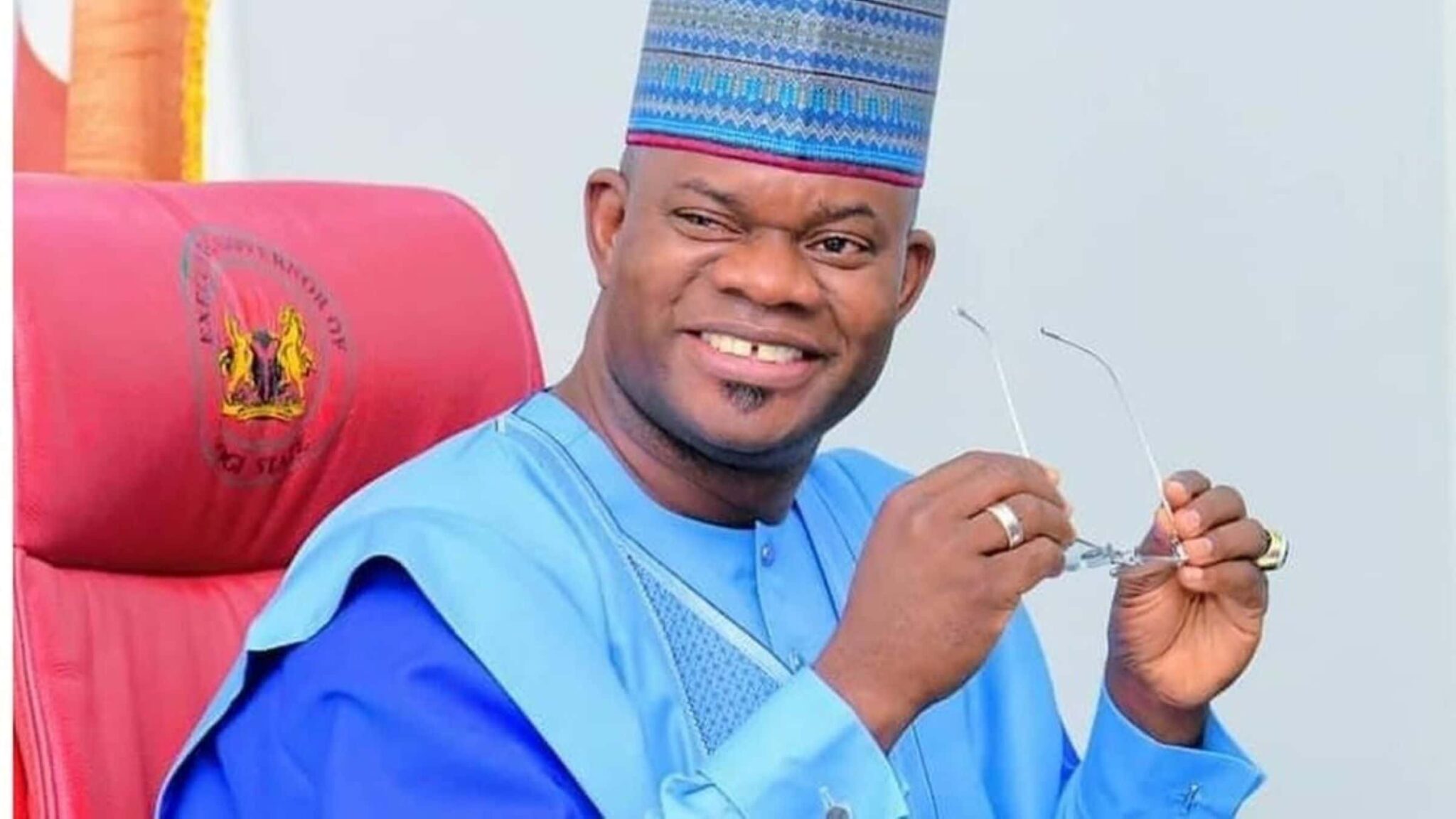
The Economic and Financial Crimes Commission (EFCC) has reiterated that former Kogi State Governor Yahaya Adoza Bello remains innocent until proven guilty in the ongoing criminal proceedings against him, stressing that the responsibility to determine his guilt or innocence rests solely with the court. EFCC publicly restated this position amid renewed public interest in the case following Bello’s recent declaration of interest to contest a senatorial seat in 2027.
Bello, who served as governor of Kogi State from 2016 to 2024, is facing prosecution over alleged misappropriation and diversion of public funds amounting to ₦80.2 billion during his tenure. The high-profile case has drawn extensive media and public attention, with commentators on both sides of the political divide calling for clarity and transparency in the judicial process.
In responding to criticism suggesting that his ongoing political activities should impact his legal standing, EFCC stressed that its role is limited to presenting evidence before the judiciary and that neither party politics nor public opinion should influence the outcome.
The Legal Basis for Presumption of Innocence
EFCC’s Director of Public Affairs, Wilson Uwuajeren, emphasized during an appearance on a national television programme that under Section 36 of the Nigerian Constitution, any person standing trial is presumed innocent until proven guilty by a competent court of law. He stressed that the anti-graft agency’s duty is to present its case, including witnesses and documentary evidence, before the Federal High Court, where the matter is currently ongoing.
“This presumption of innocence applies to every defendant in Nigeria and does not change because of politics, media attention, or public sentiment,” Uwuajeren said, adding that the EFCC’s focus remains on a faithful prosecution of the charges before the court.
The Ongoing Trial: What Bello Is Facing
Yahaya Bello is facing criminal prosecution before Justice Emeka Nwite of the Federal High Court in Maitama, Abuja, on a series of charges related to alleged diversion and mismanagement of public funds during his eight-year tenure as governor. The allegations include counts of fraud and money laundering linked to state funds amounting to tens of billions of naira.
Despite earlier news reports from previous years about separate EFCC filings and remand orders relating to alleged N110.4 billion fraud charges, this latest clarification focuses specifically on the ₦80.2 billion case recently thrust back into public debate.
Legal experts say such high-stakes prosecutions often take extended periods due to the volume of evidence involved and the need for meticulous judicial consideration before a final determination is reached.
Separating Politics From the Legal Process
The EFCC clarification comes amid commentary suggesting that Bello’s recent political ambitions—particularly his intention to contest for the Kogi Central senatorial seat in the 2027 elections—could affect the pace or focus of his trial. However, Uwuajeren was clear that the anti-graft agency is not influenced by political considerations.
“We are not a political party and do not operate in the political space,” he said. “Our obligation is to Nigerians and to the judicial process, ensuring justice is served for both the prosecution and the defence.”
He reiterated that any activities or decisions by Bello within the All Progressives Congress (APC) or any other party organisation “have nothing to do with the charges that we have filed before the court.”
Public Debate and Perception
The case has attracted intense public scrutiny, with segments of Nigerian society divided over the implications of Bello’s trial and political future. Supporters of the former governor argue that prolonged litigation could be politically motivated, while critics stress the need for accountability and transparency in public office.
Civil rights advocates have welcomed the EFCC’s clarification on the presumption of innocence, highlighting that respect for constitutional rights is crucial for the integrity of the legal system.
Legal scholars also emphasize that upholding the rule of law—even in high-profile cases—is necessary to maintain public trust and ensure that prosecutions are not seen as arbitrary or politically influenced.
What Happens Next Legally
With the trial still ongoing, the immediate focus will remain on the presentation of evidence by both the EFCC and the defence counsel. The Federal High Court will eventually assess the merits of the case based on the totality of evidence presented, witness testimonies, and legal arguments.
Critics of the case have argued that securing convictions in corruption matters can be challenging due to procedural, evidentiary, and technical legal hurdles—but proponents of accountability stress that thorough judicial processes help strengthen anti-corruption frameworks in Nigeria.
Regardless of public and political discourse, constitutional protections and due process remain central to how this case will be resolved in the judiciary.
Leave a Reply