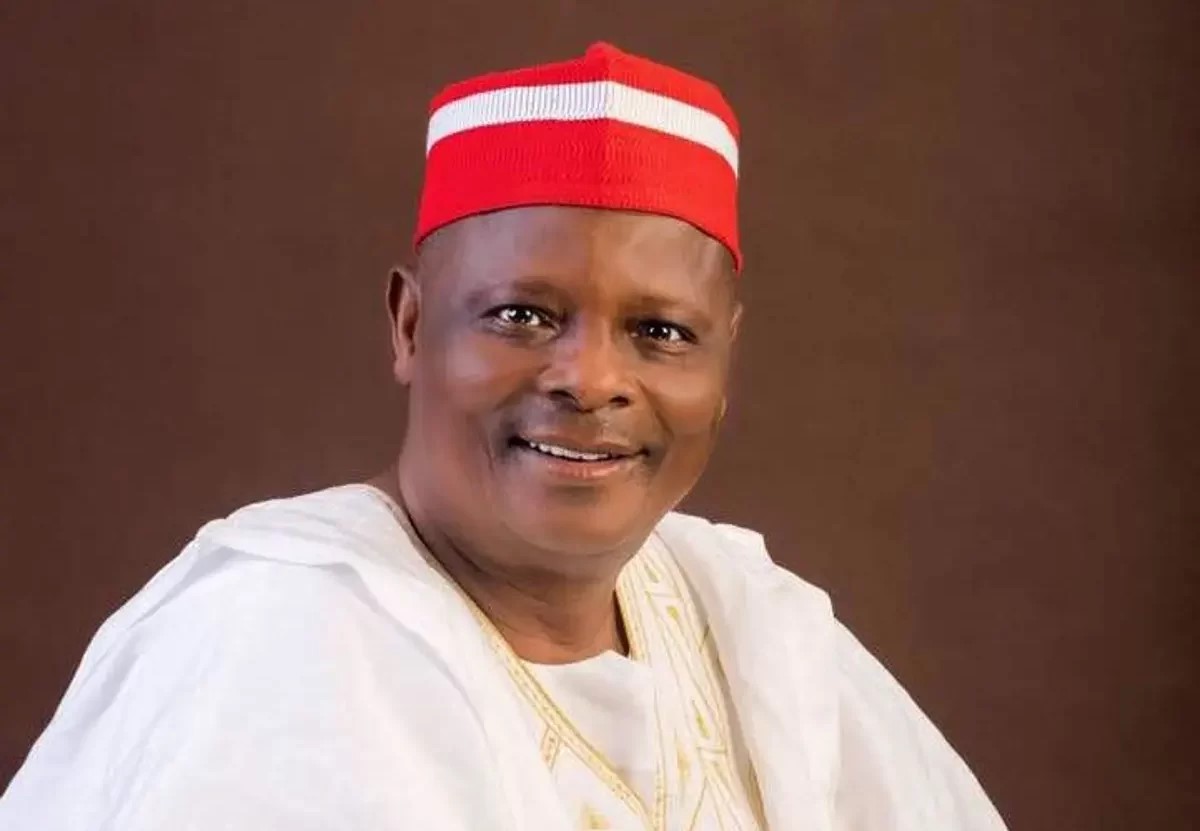
Senator Rabiu Musa Kwankwaso, the national leader of the New Nigeria Peoples Party (NNPP) and a prominent northern political figure, has declared that he will only consider aligning with a political party ahead of the 2027 Nigerian general elections if it offers him either the presidential ticket or the vice-presidential slot.
Kwankwaso announced Kano during a gathering of supporters amid growing speculation about shifting political alliances as key actors reposition themselves for the next electoral cycle. His comments underline evolving political strategy and the importance of ticket negotiations in Nigeria’s pre-election realignment.
Kwankwaso’s Conditions for Political Alignment
In a statement delivered at his residence on Miller Road, Kano, Kwankwaso explained that the NNPP leadership is in discussions with several political parties but will only commit to a partner willing to offer the top spot on the national ticket. The two conditions he listed were that the party must offer him either:
- The presidential nomination, or
- The vice-presidential position.
He emphasized that any alignment would be based on principled negotiation rather than ad hoc political convenience.
Kwankwaso also dismissed rumours about possible defections within his party, including speculation that Kano State Governor Abba Kabir Yusuf might leave the NNPP for the All Progressives Congress (APC), calling such claims unrealistic.
Context: Political Realignments Ahead of 2027
Nigeria’s 2027 general election is shaping up to be one of the most competitive in recent history, with both ruling and opposition parties engaging in negotiations, defections, and alliance talks. The timing of Kwankwaso’s announcement comes amid intense behind-the-scenes activity across several major political parties.
Major parties, such as the APC and the Peoples Democratic Party (PDP), are attempting to build broader coalitions to improve their chances in the presidential contest. This dynamic has increased interest in the roles that seasoned politicians like Kwankwaso could play in shaping electoral outcomes.
Why Kwankwaso’s Statement Matters
Kwankwaso’s conditions for political alignment are significant for several reasons:
1. He Signals Negotiating Strength
By publicly outlining his requirements, the NNPP leader is positioning himself as a key figure in potential coalition talks. Instead of passively waiting for overtures, he has defined clear parameters for negotiations, which could enhance his leverage.
2. It Adds Complexity to Party Strategies
Major parties now face the task of determining whether they can meet Kwankwaso’s demands without undermining their internal processes and existing leadership ambitions.
3. It Reflects Fragmentation in Opposition Politics
With political realignments in flux and several parties courting high-profile figures, Kwankwaso’s stance could influence other leaders who are weighing alliance options versus running independently.
Reactions From Political Analysts and Stakeholders
Political commentators say Kwankwaso’s announcement illustrates a broader trend in Nigeria’s electioneering landscape: negotiation for political relevance. Rather than aligning unconditionally, major actors are increasingly demanding substantive roles in potential coalitions.
Some analysts interpret the conditions as Kwankwaso asserting that numerical party strength alone does not guarantee electoral victory, and that strategic alliances built around shared goals and leadership positions can carry more weight.
The Broader Nigerian Political Picture
As of early 2026, speculation about party defections and alliance negotiations continues to dominate political discourse. Reports suggest that parties such as the APC and PDP are exploring joint strategies, while smaller parties like the African Democratic Congress (ADC) remain undecided on their 2027 candidates.
Kwankwaso’s position also highlights the ongoing challenge of coalition-building in a political environment where leaders seek assurances about their roles and influence within any new alignment structure.
Looking Ahead to 2027
What happens next will depend on how willing Nigeria’s major political parties are to negotiate with emerging leaders and whether figures like Kwankwaso are prepared to compromise on their conditions for alliance.
As discussions continue, observers will be watching:
- which parties meet Kwankwaso’s terms,
- whether any defections or formal coalition announcements occur,
- and how internal party politics affect ticket negotiations.
With the 2027 presidential election set to be highly competitive, negotiation strategies and alliance dynamics are likely to remain central to political reporting and electoral forecasting in the months ahead.
Leave a Reply