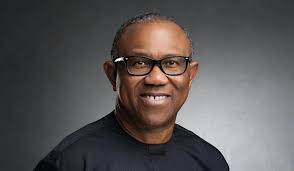
Former Labour Party presidential candidate Peter Obi has urged the Federal Government to suspend the implementation of Nigeria’s newly gazetted tax laws, arguing that the reforms—scheduled to take effect January 1, 2026—contain serious issues that could deepen public distrust and worsen hardship for citizens and businesses.
Obi’s call adds momentum to a growing national debate around the new tax regime, with critics questioning clarity, transparency, and enforceability, while government officials and some policy advocates insist the reforms are necessary to modernise revenue collection and strengthen fiscal stability.
What Peter Obi said
According to reports, Obi asked the Executive arm of government to pause the implementation of the new tax laws to allow for a deeper review and public consultation. In his statement—shared publicly and amplified by multiple outlets—Obi framed taxation as a social contract that requires trust, fairness, and clear public value.
He argued that imposing a controversial tax framework at a time when many Nigerians are struggling with cost-of-living pressures could backfire, especially if the laws are perceived as flawed or rushed.
The “31 red flags” Obi referenced
A major pillar of Obi’s argument is a reported review by KPMG, which he cited as identifying 31 critical problem areas—including drafting errors, contradictions, and administrative gaps. Obi said these issues should be addressed before enforcement begins, warning that uncertainty could create compliance confusion and potential disputes between taxpayers and authorities.
The Guardian also reported Obi’s concerns in the context of broader criticism and policy debate, indicating the conversation now includes voices from various sectors beyond party politics.
Why the new tax laws are controversial
Nigeria’s tax reform push has been politically sensitive because it arrives after major economic changes since 2023—especially subsidy removal and currency adjustments—changes many Nigerians say have worsened daily living costs.
Critics have raised concerns along two main lines:
- Process concerns
Some opponents argue the final, gazetted version of the law differs from what was debated or expected, and they want clarity on what exactly was signed and how enforcement powers will be exercised. - Impact concerns
Others fear the reforms could increase burdens for households and small businesses unless paired with visible improvements in services, transparency, and economic relief measures.
Obi’s position ties both strands together: he says reform is not the problem—trust and quality control are.
Federal Government’s stance so far
Despite calls for delay from political figures and critics, President Bola Tinubu previously stated that the new tax laws would be implemented from January 1, 2026, arguing the reforms represent a major “reset” aimed at improving revenue and efficiency.
Reuters also reported that Tinubu acknowledged criticisms and said the government would continue engaging lawmakers on concerns, but he did not accept that the implementation should be paused.
What happens if the government pauses (or doesn’t)
If the government pauses implementation, it could:
- create space to publish clearer guidance, close drafting gaps, and reassure taxpayers;
- reduce the risk of early legal disputes and compliance confusion;
- help build public confidence through consultation and transparency.
If the government does not pause, the focus will likely shift to:
- how enforcement agencies interpret and apply the law in practice;
- whether taxpayers experience sudden compliance burdens;
- whether the courts and regulators become crowded with tax disputes and interpretations.
This is why Obi’s demand is not only political—it’s also about how smoothly the policy can work on the ground.
Leave a Reply