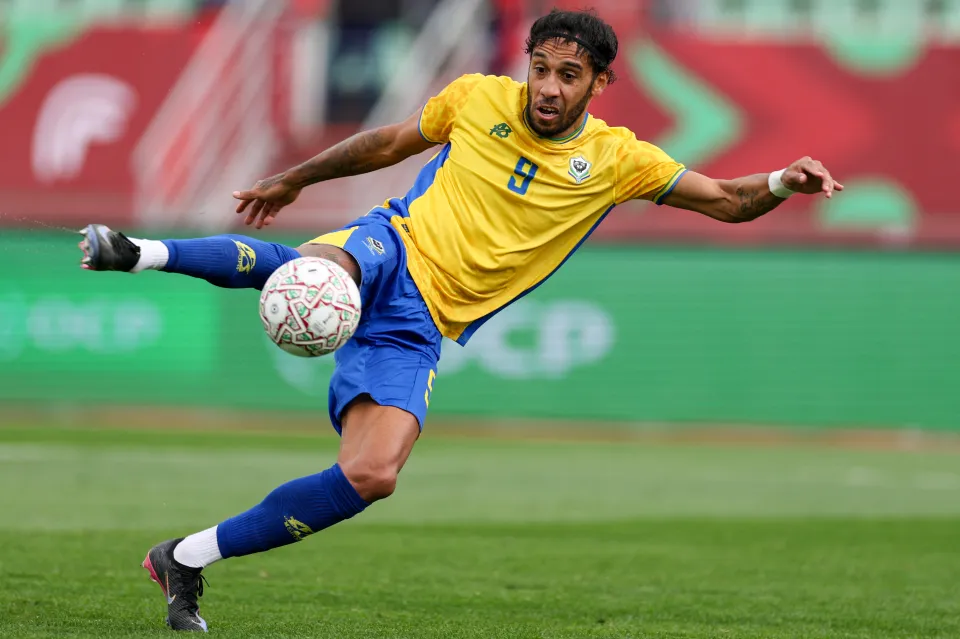
In a dramatic development that has sent shockwaves through African football, the Gabonese government has reportedly sacked Pierre-Emerick Aubameyang and suspended the country’s national football team ahead of preparations for the 2025 Africa Cup of Nations (AFCON). The move, which has sparked widespread debate among football fans, analysts, and sports administrators, highlights growing tensions between sports governance, politics, and national accountability.
The decision comes at a critical moment, with AFCON 2025 approaching and several African nations intensifying preparations. For Gabon, however, the reported suspension and dismissal mark a turning point—one that could have lasting implications for the country’s footballing future.
This article examines the background to the decision, the issues surrounding Aubameyang’s role, reactions from the football community, and what the suspension could mean for Gabon’s AFCON 2025 ambitions.
Who Is Pierre-Emerick Aubameyang?
Pierre-Emerick Aubameyang stands as one of Africa’s most recognizable footballers. Over the years, he has built a reputation as an elite striker, playing for top European clubs and serving as a key figure for the Gabon national team.
As a former national team captain, Aubameyang symbolized Gabonese football on the global stage. His leadership, goals, and international profile brought visibility to Gabon’s football program, making him a central figure in the country’s sporting identity.
However, his career with the national team has not been without controversy, particularly regarding disciplinary issues, availability for international duties, and disagreements with football authorities.
What Led to the Government’s Decision?
Rising Tensions Between Government and Football Authorities
Reports indicate that the Gabonese government acted following a series of unresolved disputes involving the national team’s administration, player conduct, and compliance with national sports regulations.
While football federations typically operate independently, governments often intervene when:
- National image is at stake
- Financial accountability issues arise
- Player conduct becomes a public concern
- International obligations face disruption
In Gabon’s case, officials reportedly cited concerns about discipline, governance, and professionalism within the national team setup.
Aubameyang’s Role in the Controversy
Although details remain limited, sources suggest that Aubameyang’s dismissal relates to:
- Alleged breaches of team protocol
- Leadership disputes
- Ongoing disagreements with football administrators
The government’s decision to remove such a high-profile figure underscores the seriousness of the situation and signals a broader attempt to reassert control over national sports affairs.
Suspension of the Gabon National Team
What Does the Suspension Mean?
The reported suspension of the Gabon national football team could prevent the country from:
- Participating in official international matches
- Taking part in AFCON 2025 qualifiers or preparatory fixtures
- Accessing certain forms of CAF or FIFA support
Such actions typically follow administrative crises or unresolved governance disputes and can severely disrupt a country’s football calendar.
Impact on AFCON 2025 Preparations
AFCON 2025 represents one of Africa’s most prestigious sporting events, and preparation is crucial. The suspension places Gabon’s participation in serious doubt, potentially:
- Disrupting player development
- Affecting team cohesion
- Limiting competitive match exposure
Football analysts warn that prolonged suspension could derail years of progress and harm emerging talents.
Reactions From the Football Community
Fans Express Shock and Division
Gabonese football fans have reacted with mixed emotions. While some support the government’s firm stance on discipline and reform, others believe the decision unfairly targets players and undermines national pride.
Social media platforms have seen heated discussions, with many calling for transparency and dialogue rather than punitive measures.\
African Football Analysts Weigh In
Sports analysts across Africa describe the situation as a reminder of the fragile balance between sports autonomy and political oversight.
Some experts argue that decisive government action can restore discipline and long-term stability, while others caution that interference risks violating international football regulations.
CAF and FIFA Considerations
Both the Confederation of African Football (CAF) and FIFA maintain strict rules regarding government interference in football administration.
If the suspension involves political overreach, Gabon could face:
- Sanctions from CAF or FIFA
- Extended exclusion from competitions
- Financial and developmental setbacks
Observers note that Gabon’s next steps will be critical in determining whether the suspension remains temporary or escalates into a broader international dispute.
Broader Implications for African Football
The reported Gabon situation highlights recurring challenges across African football:
- Governance transparency
- Player-administrator relations
- Political influence in sports
- Financial accountability
Several African nations have previously faced suspensions due to similar conflicts, reinforcing the need for strong institutional frameworks that protect both discipline and independence.
What Happens Next?
Possible Outcomes
Football observers suggest several potential scenarios:
- Dialogue and Resolution – The government and football authorities reach an agreement, lifting the suspension.
- Structural Reforms – Administrative changes lead to a reset of the national team program.
- Extended Suspension – Failure to resolve disputes results in prolonged exclusion from competitions.
The direction Gabon chooses will shape not only its AFCON 2025 prospects but also its footballing reputation.
Leave a Reply