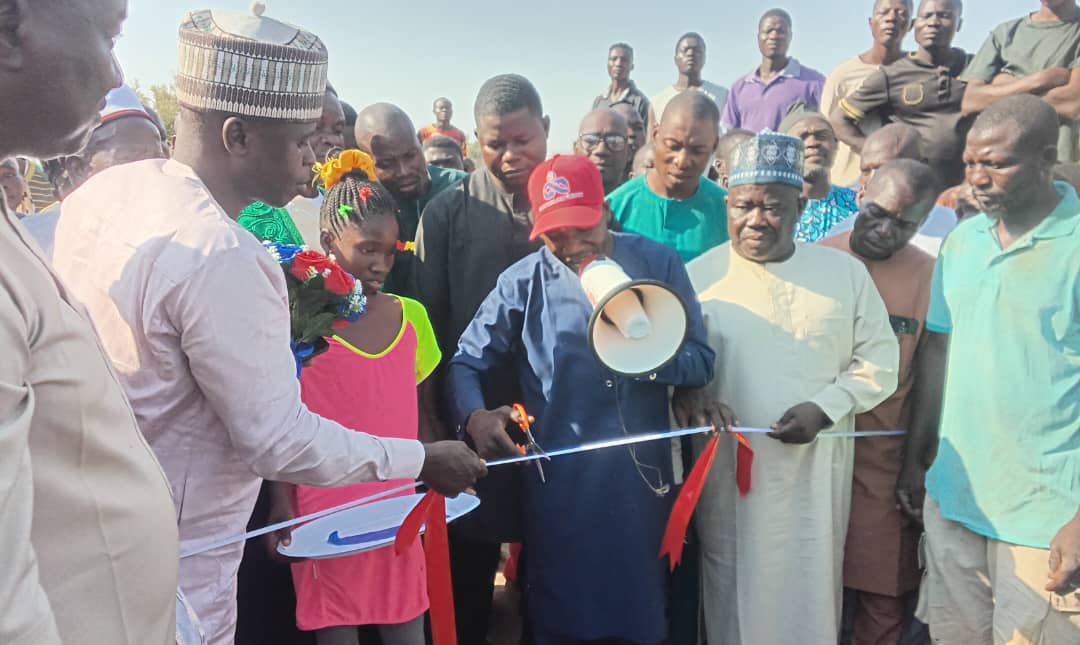
Communities across Zing Local Government Area in Taraba State have expressed strong approval for the developmental efforts of the Speaker of the Taraba State House of Assembly, Hon. John Kizito Bonzina, highlighting improvements in infrastructure, education access, rural services, and living conditions. The enthusiastic applause from residents, community leaders, and stakeholders reflects growing optimism about grassroots development and the positive impact of targeted interventions in previously underserved rural communities.
The endorsement comes amid multiple local and national conversations on the roles elected officials play in improving everyday life for citizens, particularly in rural areas that have historically struggled with infrastructural deficits. The communities’ commendations illustrate not only appreciation for specific projects but also an expectation for sustained engagement, inclusive growth, and responsible leadership from their representatives.
This article examines the development projects championed by the Speaker, the reactions from residents, and the broader implications for community empowerment in Taraba State.
Speaker Bonzina: A Profile in Local Leadership
Hon. John Kizito Bonzina currently serves as the Speaker of the Taraba State House of Assembly, representing the Zing State Constituency. A seasoned politician with multiple terms in the state legislature, Bonzina has built a reputation for engaging with grassroots communities and advocating for rural development.
Over the last several years, the Speaker has increasingly focused on initiatives aimed at improving access to essential services, enhancing local infrastructure, and creating conditions that make rural posting and life more sustainable and attractive for both residents and professionals serving in the area.
Development Interventions That Sparked Praise
Residents and community leaders cited several key interventions as major achievements attributed to Speaker Bonzina’s leadership:
1. Provision of NYSC Accommodation
Historically, Zing and other rural areas in Taraba State struggled to attract National Youth Service Corps (NYSC) members due to the lack of adequate accommodation. Many corps members avoided rural postings, citing poor lodging and living conditions.
Hon. Bonzina’s team facilitated the construction of well-equipped NYSC lodges in communities such as Yakoko and Monkin. These facilities provide comfortable housing for corps members, significantly improving the attractiveness of rural service and reducing hardships associated with remote postings.
Corps members who benefited from the new lodges confirmed that the availability of proper accommodation has reversed previous trends of avoidance, enabling them to serve the community more effectively and with greater satisfaction.
2. Establishment of Local Examination Centres
One recurring challenge in rural Taraba has been the difficulty students face in accessing education services, especially during national examinations like the West African Senior School Certificate Examination (WASSCE).
Previously, students trekked long distances to reach examination centres, often compromising their performance and safety. Under the Speaker’s intervention, new examination centres have been established in Dindin and other communities, allowing students to sit for national exams in safer, closer, and more convenient locations.
3. Rural Electrification
Access to electricity remains a major development priority across many parts of northern Nigeria. In Zing communities, transformers were provided to several locations, ending prolonged periods without reliable power.
Residents noted that reliable electricity has transformed daily life, enabling productive activities such as grinding grains locally instead of travelling miles to access facilities in the council headquarters.
4. Restoration of Critical Access Roads and Bridges
Flooding had previously washed away key bridges linking several communities to Zing’s administrative headquarters, isolating entire settlements during rainy seasons.
Thanks to the Speaker’s intervention, access was restored, reconnecting residents to markets, health facilities, schools, and government services — a development warmly welcomed by affected communities.
Voices from the Communities
Community Leaders Praise Impact
Several community leaders commended the Speaker’s efforts, emphasizing tangible improvements to everyday life:
“The Speaker came to our rescue. The establishment of examination centres has allowed students to write examinations comfortably without long treks,” said Chief Bitrus Adama, a third-class chief in Zing. The News Pointer
Another local leader, Mr. Hamawa Yohana Musa, highlighted a range of benefits including clinics, transformers, and bridges, and urged elected officials and stakeholders to collaborate with the Speaker to expand development further. The News Pointer
Local Government Council Supports Sustainability
The Vice Chairman of Zing Local Government Council, Mr. Cletus Yohana, pledged to protect the new structures and electrical installations from vandalism to ensure their sustainability for the benefit of residents.
This collaboration between elected officials and local authorities suggests a shared commitment to protecting investments in community infrastructure.
The Political Context and Public Perception
While the praise from Zing communities centers on development interventions, broader public perception remains mixed in some quarters, largely due to unrelated reports and narratives circulating on social media and local news platforms.
For example, there were recent claims that the Taraba Assembly Speaker distributed small cash gifts to constituents during Christmas, which both the Assembly and local groups subsequently denied, clarifying that the gesture was intended for children in the immediate community around the Speaker’s residence and not to rural constituents traveling from afar.
Despite such controversies, many residents reaffirmed their support for Bonzina’s developmental track record, distinguishing between programmatic impact and political noise.
Why These Interventions Matter
The interventions in Zing Local Government Area reflect broader development challenges facing rural Nigeria, where infrastructure gaps often hinder economic participation and educational advancement. By addressing:
- Housing for public servants and corps members,
- Exam accessibility for students,
- Electric power access, and
- Connectivity via roads and bridges,
the Speaker’s initiatives contribute directly to human development outcomes, community well-being, and local economic activity.
Such projects also send a message that rural areas deserve targeted, thoughtful investment — a perception that can boost community morale and strengthen trust in elected leadership.
What Stakeholders Say
Local Youth and Women’s Groups
Youth and women’s groups in Zing expressed confidence that the development interventions would reduce hardship and provide more opportunities, particularly for young people seeking employment and access to services.
Education Advocates
Teachers and education advocates have welcomed the establishment of local examination centres, arguing that reducing travel burdens increases student preparedness and performance in national examinations.
Infrastructure Experts
Development practitioners see the investment in electricity and transport links not just as conveniences but as foundational building blocks for small business growth, agricultural processing, and improved quality of life.
Leave a Reply