How to Start Coding in 2026 (Beginner Roadmap): Step-by-Step Guide With No Experience
If you have ever considered learning how to code, you have almost certainly asked yourself one intimidating question: “Where do I even start?”
When you look at the software engineering industry from the outside, it feels overwhelming. There are hundreds of programming languages, countless code editors, frameworks, and conflicting video tutorials online. Many ambitious beginners start with enthusiasm, only to get stuck in configuration errors or give up after a few weeks. Others fall into the trap of jumping endlessly from one programming language to another without ever building a functional application.
Here is the truth that experienced developers know: Coding is not black magic or math genius work; starting with the right, structured roadmap is what actually determines your success.
According to the latest global industry surveys from platforms like Stack Overflow, over 70% of beginners start their coding journeys self-taught using online resources. This guide breaks down a practical, 10-step roadmap to take you from absolute zero experience to building real-world projects and launching a tech career in 2026.
Table of Contents
- What Coding Really Is (Demystifying the Hype)
- Side-by-Side Language Selection Matrix
- The 10-Step Beginner Coding Roadmap
- Escaping “Tutorial Hell”: The Learn-Practice-Build Cycle
- Common Beginner Pitfalls That Cause People to Quit
- Phone vs. Laptop: What Device Do You Actually Need?
- Connecting Your Complete Tech & Career Ecosystem
What Coding Really Is (Demystifying the Hype)
In the simplest terms possible, coding is giving a structured set of instructions to a computer to perform specific tasks. Computers are remarkably fast, but they are entirely unintelligent; they will execute precisely what you write, line by line.
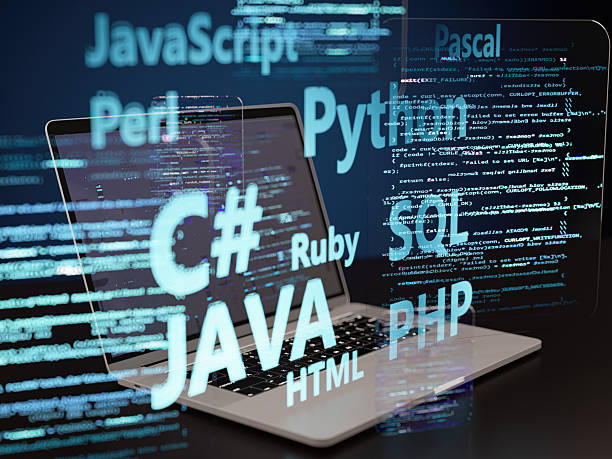
These instructions are written in human-readable programming languages such as Python, JavaScript, or C++.
[Your Logic & Thoughts] --> [Programming Language Code] --> [Computer Compiler/Interpreter] --> [Functional Application]
Where most beginners get confused is assuming that software development requires memorizing thousands of lines of syntax rules. It does not. Coding is 20% syntax memorization and 80% problem-solving logic. Syntax can always be looked up in documentation; learning how to break down a complex real-world problem into logical steps is the true skill of a programmer.
Side-by-Side Language Selection Matrix
Trying to learn multiple languages simultaneously is the fastest way to burn out. Pick ONE primary language based on your specific career goal:
| Programming Language | Ideal Primary Use Case | Learning Curve | 2026 Industry Demand / Ecosystem |
|---|---|---|---|
| Python | Data Analysis, AI/ML, Automation, Scripting, Backend. | Gentlest (Easiest) | #1 most popular language for beginners; syntax reads like plain English. |
| JavaScript | Interactive Web Apps, Frontend, Node.js Backend. | Moderate | Essential for web development; runs natively inside every web browser. |
| HTML / CSS | Web Page Structure & Visual Styling. | Very Easy | Baseline markup languages required before learning frontend web dev. |
| Kotlin / Swift | Native Mobile Apps (Android / iOS). | Moderate to High | Required for deep, native mobile application development. |
The 10-Step Beginner Coding Roadmap
Follow this sequential blueprint to build a solid foundation without wasting months on disconnected tutorials:
- Define Your Specific Primary Goal:
Before writing a single line of code, clarify why you are learning. Do you want to build interactive websites, analyze business datasets, create mobile applications, or start freelancing? Your specific target dictates which language and tools you should focus on.
2. Pick ONE Language & Commit Exclusively:
If you want to build web applications, commit to JavaScript. If you want to explore data analysis, automation, or artificial intelligence, commit to Python. Do not switch languages midway through your foundation phase.
3. Set Up a Lightweight Development Environment:
Do not overcomplicate your setup. Install Visual Studio Code (VS Code) as your primary local code editor, use freeCodeCamp for structured lessons, and use browser sandboxes like Replit for instant code execution.
4. Master Fundamental Programming Building Blocks:
Spend your first 2 to 4 weeks mastering the core concepts shared by almost all programming languages:
5. Build Your First Small, Independent Projects:
As soon as you grasp basic syntax, stop following step-by-step video tutorials and build small projects on your own. Start with simple builds like a basic calculator, an interactive to-do list manager, a command-line quiz game, or a personal landing page.
6. Master the Art of Debugging:
Your code will break constantly; this is a normal part of software engineering. Learn to read terminal error messages, use console.log() or print() statements to track variable states, and search error stack traces on Google or Stack Overflow. Debugging efficiently is what separates real developers from tutorial watchers.
7. Learn Version Control with Git & GitHub:
Git tracks changes in your source code files, allowing you to save project snapshots. Create a GitHub account to host your project repositories online. This protects your work from local computer crashes and serves as your public coding activity log.
8. Construct a Public Developer Portfolio:
Assemble your 3 best independent projects into a clean online portfolio. Include clean README.md documentation explaining what problem each project solves, how to run it locally, and live demo links.
9. Establish a Daily Practice Routine:
Consistency beats sporadic intensity every single time. Studying for 1 to 2 hours every day builds muscle memory and retention far better than pulling a 7-hour marathon once every two weeks.
10. Monetize Your Skills Through Real-World Value:
Connect your coding ability to economic opportunities. You can start taking on entry-level freelance web projects, build digital micro-SaaS tools, or apply for remote junior developer roles.
Escaping “Tutorial Hell”: The Learn-Practice-Build Cycle
“Tutorial Hell” is a psychological trap where a beginner spends months watching coding video playlists, feeling like they understand everything, but freezes up when presented with a blank code editor screen.
To break free from this cycle, adopt the strict Learn-Practice-Build-Repeat Framework:
[1. Learn Concept (20% Time)] --> [2. Practice Exercises (30% Time)] --> [3. Build Independent Project (50% Time)]
For every 1 hour you spend watching a tutorial or reading documentation, spend at least 3 hours actively typing code, making errors, and building custom features without copying source code line-by-line.
Common Beginner Pitfalls That Cause People to Quit
Avoid these four major mistakes that derail aspiring developers:
- Language Hopping: Switching from Python to JavaScript, then to C++, and then to Java within your first month. Stick to one language until you build functional projects.
- Passive Learning: Watching tutorials on your phone or television without actively typing out the code on a keyboard.
- Copying and Pasting Code: Copying code snippets without understanding what each function line actually executes.
- Fearing Error Messages: Treating red terminal error messages as personal failure rather than helpful diagnostic feedback.
Phone vs. Laptop: What Device Do You Actually Need?
- Smartphones (Android / iOS): Useful for watching conceptual video lectures, reading documentation, and completing syntax quizzes on apps like Mimo or SoloLearn during commutes. However, you cannot build real software on a mobile phone. Managing file trees, running local development servers, and handling Git commands requires a desktop operating system.
- Laptops (Windows / Mac / Linux): Essential for writing code, building portfolio projects, and running development software. If your current laptop feels slow or lags when opening applications, you do not necessarily need to buy an expensive replacement. You can optimize its operating system performance.
Connecting Your Complete Tech & Career Ecosystem
Building a successful tech career involves learning syntax while ensuring your hardware, software tools, and data infrastructure run efficiently.
The Developer Roadmap Resource Hub: To set up your local development environment with lightweight, budget-friendly software, explore our detailed guide on the best free coding tools for beginners in 2026. If your computer lags when running VS Code or multiple browser tabs, use our step-by-step diagnostic on how to make your laptop faster without buying a new oneand decode your hardware bottlenecks using our explainer on laptop specs explained for real-world use.
Looking for an affordable laptop to start your programming journey? Check out our marketplace guide on the best budget laptops under ₦300k in Nigeria or follow our manual inspection checklist to properly check a UK-used laptop before buying. If you need a lightweight secondary screen for reading documentation, review our selection of the 7 best budget tablets for students and developers or view our recommendations for smartphones under ₦200k.
Prevent internet interruptions during online coding bootcamps by reading our guide on why your data finishes fast in Nigeria and how to reduce usage alongside our comparison of the best data plans for MTN, Airtel, Glo, and 9mobile. Protect your device’s uptime during hostel power outages by applying our tips to fix rapid phone battery drain.
Finally, when you are ready to monetize your new technical skills, learn how to land international clients with our guide on how to start freelancing in Nigeria using your phone or laptop, explore verified choices for the best apps to make money online, and streamline your student study workflow using the best free software tools for students.
Sources & Technical References
- Stack Overflow Developer Survey: Review global learning trends and beginner language adoption statistics via the Stack Overflow Official Developer Survey Portal.
- Python Software Foundation: Learn about Python’s design philosophy and beginner learning resources at the Python Official Documentation Hub.
- MDN Web Docs (Mozilla Developer Network): Access standard web development roadmaps for HTML, CSS, and JavaScript on the MDN Web Docs Learning Portal.